
What’s the Difference Between a Chiropractor and an Osteopath?
This is one of the most common questions we hear in clinic — and the honest answer is that chiropractors and osteopaths have far more in common than differences.
Both professions are highly trained, regulated healthcare professionals who focus on diagnosing, treating, and preventing musculoskeletal conditions. However, there are some subtle differences in how they approach treatment and the tools they use.
The Similarities
At their core, chiropractors and osteopaths both aim to help people move better and feel better.
They commonly treat conditions such as:
- Back pain
- Neck pain
- Sciatica
- Joint pain
- Muscle strains
- Minor sports injuries
Both chiropractors and osteopaths:
- Take a thorough medical history
- Perform physical examinations
- Use hands-on techniques
- Focus on improving movement, function, and pain
- Consider how the body works as a whole
- Deliver a report of findings and plan of care individual to the person
In many cases, the outcomes and goals of care are very similar.
The Main Practical Differences
Treatment Tables and Equipment
One of the most noticeable differences is the equipment used during treatment.
Chiropractors often use specialised treatment benches and tools, such as:
- Flexion-distraction tables, which allow gentle, controlled movement of the spine
- Drop-piece benches, designed to assist specific adjustment techniques
- Blocks or wedges to support positioning
- Activator instruments, a small handheld device used to deliver precise, low-force adjustments
These tools can be helpful for certain conditions or for patients who prefer a more gentle or targeted approach.
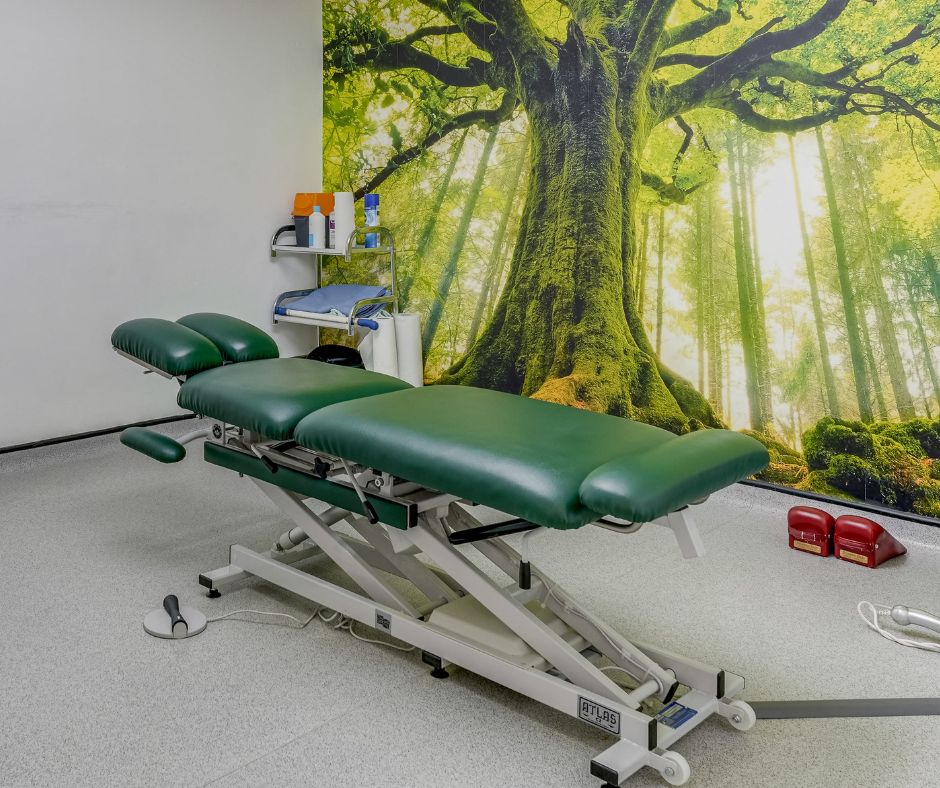
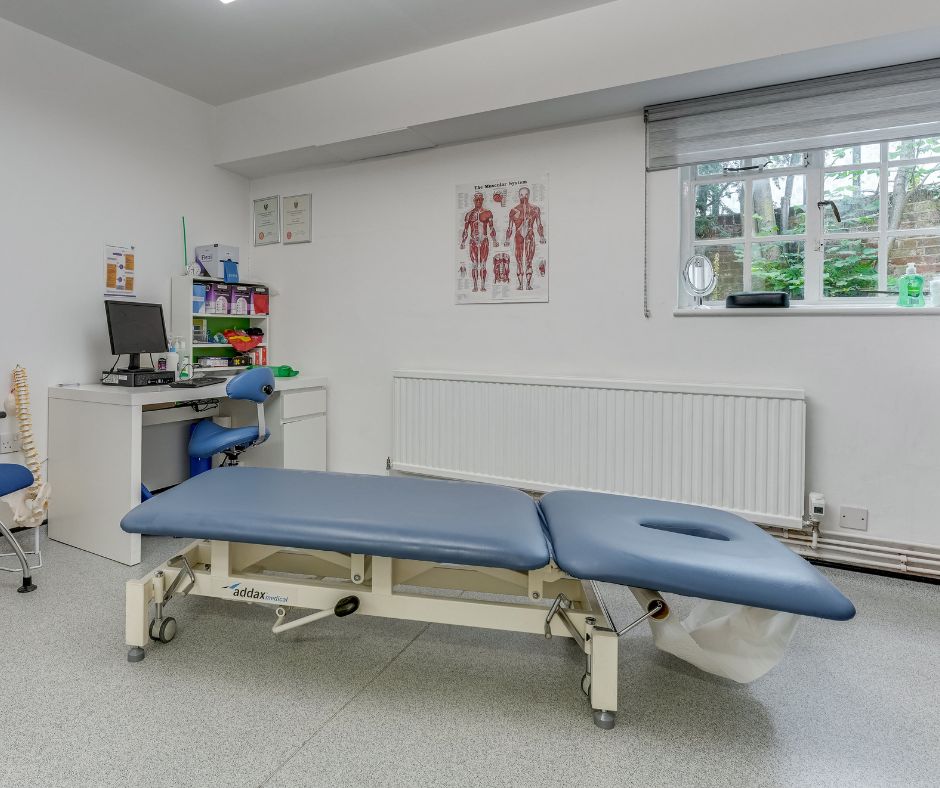
Osteopaths, on the other hand, typically use a simpler plinth-style treatment table. Their hands-on techniques tend to rely less on mechanical assistance and more on manual assessment and treatment.
Hands-On Techniques
Both chiropractors and osteopaths use spinal and joint manipulation, but the style and feel of these techniques can differ slightly.
- Chiropractic manipulation often involves quick, specific movements aimed at particular joints.
- Osteopathic manipulation may feel broader or more flowing, sometimes involving a combination of joint movement, stretching, and soft tissue techniques.
That said, there is significant overlap, and individual practitioners may use a wide range of techniques regardless of title.
Which Is Better?
Neither is “better” — they’re simply different approaches to very similar problems.
The most important factor is not whether you see a chiropractor or an osteopath, but:
- The skill and experience of the practitioner
- How well they understand your specific problem
- Whether the treatment approach suits you
This is why at Attend2Health we value having both chiropractors and osteopaths under one roof, giving patients choice and flexibility.
A Team Approach at Attend2Health
Because chiropractors and osteopaths treat many of the same conditions, having both professions in the clinic allows us to:
- Match patients with the most suitable practitioner
- Offer alternative approaches if needed
- Provide truly tailored care
Whether you’re dealing with back pain, neck pain, sciatica, or a sports-related issue, the goal is always the same: helping you get back to moving comfortably and confidently.
If you’re unsure which practitioner is right for you, our reception team will be happy to guide you — just give the clinic a call.
Below is our team of Chiropractors and an Osteopath. Meghan is an Osteopath and everyone else is Chiropractors in the photo.

Why not book a Free chat and see if we can help? Call 01763 87 80 87 today! We are on Market Hill in Buntingford just up the A10 from Ware and Hertford and just down the A10 from Royston so are easy to get to. You could park in the CO-OP for 90 minutes for free or outside the clinic for one hour. There is also a car park off Bowling Green Lane which is free for 90 minutes as well.



Leave a Reply
Google Rating
-
I have been attending Pilates Reformer classes with Sarah since January and have been extremely impressed with her constant … More support enabling me to work most effectively on the equipment.
I thoroughly enjoy the class and have seen an improvement in my strength and tone of my body.
I love the aching muscles the next day! 😂 -
I had a very positive experience with Homam Limam. From the first appointment, he was professional, friendly, and took the … More time to understand the issue properly before starting treatment. I noticed a clear improvement almost immediately, and his approach made me feel confident that I was in good hands.
Highly knowledgeable, approachable, and genuinely focused on helping his patients — I would happily recommend Homam to anyone looking for an effective and reassuring chiropractic service. -
First class all round
From the receptionists, to the treatment team and to the owner
The place is incredibly professional, … More welcoming and still has a family feel about the place
I've had plenty of treatments from Oli Towsend and always come away invigorated - excellent
My back and shoulders regularly need some tlc and the team have been superb in getting me back in shape
One thing that also stands out is the way the team talk so positively about the owner of the practice (never met them). They talk so highly of the owners personal standards in looking after the staff, commitment to local charities and support for young up and coming talent and in coaching / mentoring others
So important local companies support our local people.
Great work - and can highly recommend