
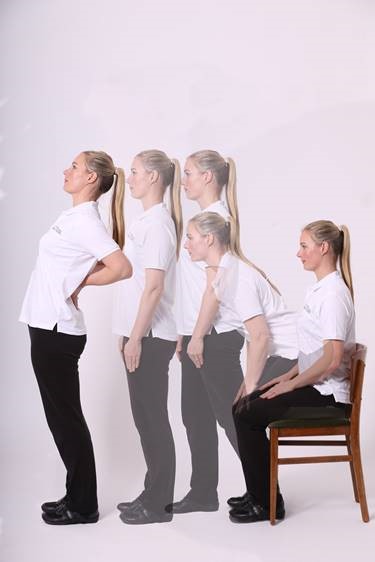
Why Standing Causes Low Back Pain — And What You Can Do About It
Low‑back pain after standing is one of the most common complaints people bring to clinics. Even people who don’t normally struggle with back issues often find that standing for any length of time — whether cooking, queuing, working, or socialising — leads to stiffness, aching, or sharp discomfort.
The good news? There are clear reasons why this happens, and even better ways to fix it.
Why standing triggers low‑back pain
1. Your back muscles work harder than you think
When you stand, your body relies on small stabilising muscles around the spine to keep you upright. Over time, these muscles fatigue, especially if they’re already weak or tight. Fatigue = poor support = pain.
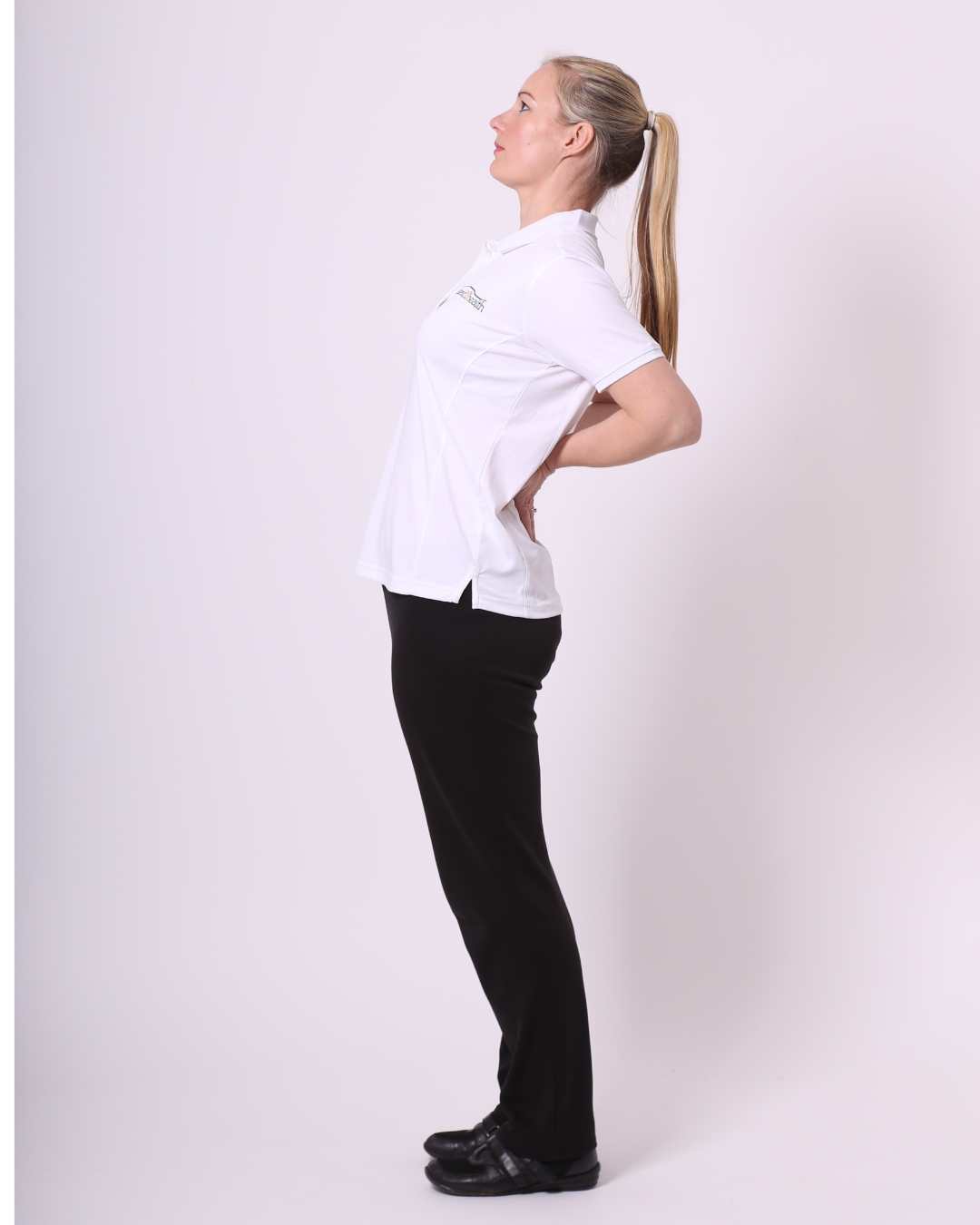
2. Your pelvis may tilt forward
Many people naturally fall into an anterior pelvic tilt when standing — the pelvis tips forward, the lower back arches more, and pressure builds in the lumbar joints.
3. Your weight shifts unevenly
Most people don’t stand evenly. We lean on one leg, lock our knees, or shift side‑to‑side. This creates uneven loading through the spine and hips.
4. Standing reduces blood flow to spinal tissues
Muscles and discs rely on movement to stay nourished. Standing still = reduced circulation = stiffness and discomfort.
5. Your core isn’t engaged when you’re “just standing”
Standing feels passive, but your core should still be active. If it isn’t, your lower back takes the load.
What you can do to reduce low‑back pain when standing
1. Move every 20–30 minutes
Movement is medicine. Even small changes — shifting weight, bending your knees, walking a few steps — reset the muscles and joints. You will notice people who have to spend time standing in one position such as police officers tend to rock backwards and forwards on their feet to help create some movement.
2. Use the “soft knees” technique
Locking your knees increases tension through the spine. Keeping a slight bend helps your hips and core share the load.
3. Strengthen your glutes and core
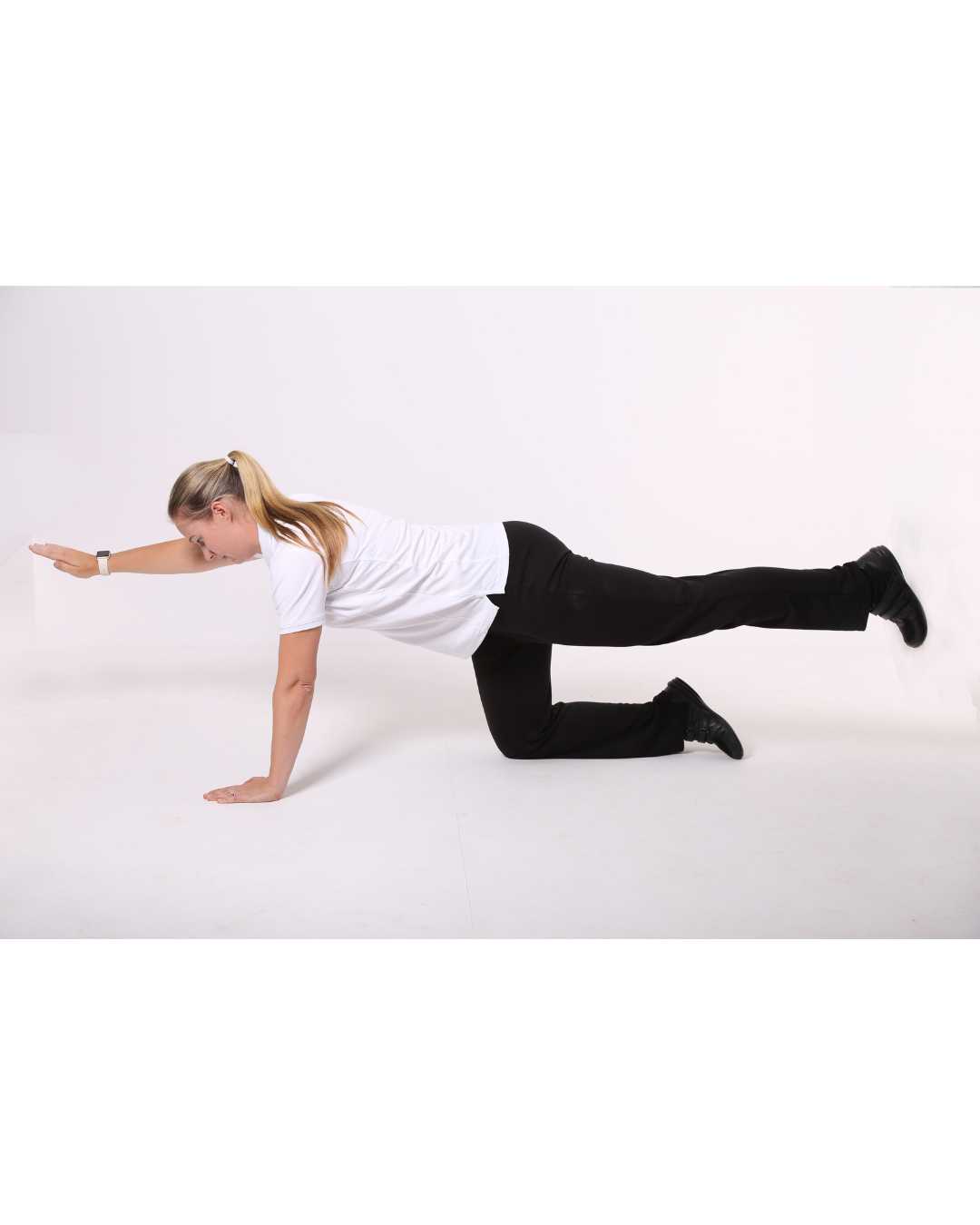
Weak glutes = your lower back doing too much work. Exercises like bridges, planks, and bird‑dogs build endurance where it matters. Pilates is a great exercise to help with this. Our physiotherapists would also be able to assess your core muscles and give you specific exercises to try.
4. Improve your standing posture
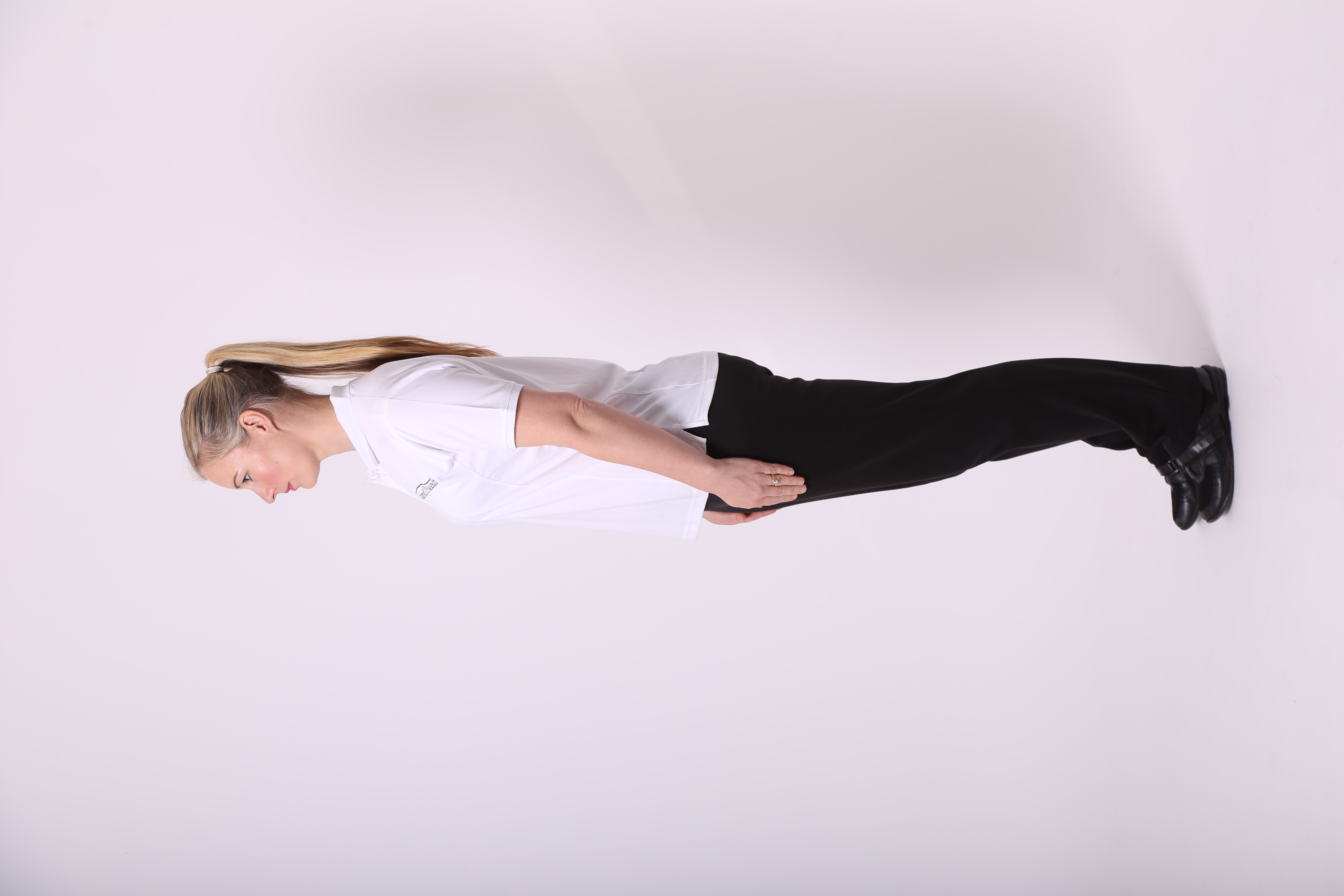
A simple checklist:
- Weight evenly on both feet
- Knees soft
- Ribs stacked over hips
- Pelvis neutral
- Shoulders relaxed
Small adjustments make a big difference.
5. Stretch the hip flexors and hamstrings
Tight hips pull the pelvis out of alignment, increasing lumbar pressure. A few minutes of stretching daily can reduce strain dramatically.
6. Use supportive footwear or a cushioned mat
Hard floors and unsupportive shoes increase spinal load. A simple change can reduce fatigue instantly.
7. Build standing tolerance gradually
Just like running or lifting, standing is a physical demand. Increasing your tolerance slowly helps your muscles adapt.
When to seek help
If your back pain:
- persists for more than a few weeks
- radiates into the legs
- includes numbness or tingling
- or limits your daily activities
…it’s worth getting a professional assessment. Often, a tailored plan makes all the difference. This is something we could do at Attend2Health and you could just book a Free 15 minute chat first to make sure we could help.
Final thoughts
Standing is something we all do — but it’s surprisingly demanding on the body. Understanding why it causes low‑back pain gives you the power to change it. With the right movement habits, strength work, and posture adjustments, most people see a dramatic improvement.
Book a free chat today and our practitioners will be able to chat about your pain and help you decide if treatment would help. Call 01763 87 80 87.




Leave a Reply
Google Rating
-
I have been attending Pilates Reformer classes with Sarah since January and have been extremely impressed with her constant … More support enabling me to work most effectively on the equipment.
I thoroughly enjoy the class and have seen an improvement in my strength and tone of my body.
I love the aching muscles the next day! 😂 -
I had a very positive experience with Homam Limam. From the first appointment, he was professional, friendly, and took the … More time to understand the issue properly before starting treatment. I noticed a clear improvement almost immediately, and his approach made me feel confident that I was in good hands.
Highly knowledgeable, approachable, and genuinely focused on helping his patients — I would happily recommend Homam to anyone looking for an effective and reassuring chiropractic service. -
First class all round
From the receptionists, to the treatment team and to the owner
The place is incredibly professional, … More welcoming and still has a family feel about the place
I've had plenty of treatments from Oli Towsend and always come away invigorated - excellent
My back and shoulders regularly need some tlc and the team have been superb in getting me back in shape
One thing that also stands out is the way the team talk so positively about the owner of the practice (never met them). They talk so highly of the owners personal standards in looking after the staff, commitment to local charities and support for young up and coming talent and in coaching / mentoring others
So important local companies support our local people.
Great work - and can highly recommend